On Norway's west coast, a natural formation that appears almost too bizarre to be true can be found among the rocky shores and dramatic landscapes of the North Atlantic. Kannesteinen Rock is a rock formation in Norway, near the village of Oppedal, close to Måløy in Vestland County. The rock has developed a base and a wider top, giving it a remarkable mushroom-like appearance formed over thousands of years by waves, wind, and weather.
 |
| Kannesteinen is a naturally sculpted mushroom-shaped rock on Norway’s rugged western coast. |
Kannesteinen Rock, Norway: The Incredible Sea-Shaped Natural Wonder
Unlike man-made monuments, Kannesteinen is fully natural. It is a fascinating example of how the sea can change solid rock over an incredibly long period of time. Its odd shape is due to erosion. Today, it is one of the most recognisable natural sights along this part of the Norwegian coastline.
What is Kannesteinen Rock, and why is it famous?
At first sight, it looks as though someone has carved Kannesteinen Rock into shape. At first sight, it looks as though someone has carved Kannesteinen Rock into shape. The top is wide and somewhat flat; the lower part is considerably narrower. The top is wide and somewhat flat; the lower part is considerably narrower. This bizarre profile has made the rock a favourite among photographers and travellers exploring Norway. This bizarre profile has made the rock a favourite among photographers and travellers exploring Norway.
Kannesteinen is a name often linked to the shape of a goblet or cup. Often, the name 'Kannesteinen' is associated with the shape of a goblet or cup. But if you look at it from another angle, visitors can see shapes in it. But if you look at it from another angle, visitors can see shapes in it. Some say it looks like a mushroom; others think it looks like a stone sculpture by the sea. Some say it looks like a mushroom; others think it looks like a stone sculpture by the sea.
The formation is so memorable because of its unusual appearance. Norway's coastline is dotted with rocks, but only a few have this distinctive silhouette.
How Was Kannesteinen Rock Formed by the Sea?
The story of Kannesteinen starts with the power of the ocean. Waves have pounded the surrounding rock for thousands of years, carrying sand, small stones, and other material that eroded away sections slowly. Erosion is not a rapid process. One storm likely leaves the visitor's view unchanged. The results can be dramatic when the same forces operate for centuries and millennia.
The more resistant parts of the rock stood up well against erosion, while the lower part of Kannesteinen slowly eroded away. These forces eventually formed the curved base that supports the wider top. It reminds us that some of nature's most amazing sights take time to form. Kannesteinen was not made overnight. The rock is really a record of the relationship of stone, water, wind, and time.
Where Is Kannesteinen Rock Located in Norway?
Kannesteinen Rock is located near Oppedal on the Norwegian coast, about 10 kilometres from the town of Måløy. The area is known for its coastline, views of the open sea, tiny settlements, and dramatic landscapes. The trip to Kannesteinen is part of the experience. Instead of simply arriving at a famous landmark in the middle of a city, visitors travel through a more peaceful coastal landscape where mountains, water, rocky shores, and traditional Norwegian scenery create a memorable setting.
The rock is near the sea, so the weather can significantly affect how the landscape looks. The rock is near the sea, so the weather can significantly affect how the landscape looks. The water may create a serene mood on a day. The water may create a serene mood on a day. The same coastline can be wild and dramatic on windy days. The same coastline can be wild and dramatic on windy days.
When to Visit Kannesteinen Rock
Best time to visit Kannesteinen: There is no best time to visit. It depends a lot on what you want to experience.
Visitors generally prefer summer, when longer daylight hours and easier conditions make exploring western Norway more enjoyable. The softer evening light can also be particularly good for photos.
Morning and late evening can be particularly beautiful. Morning and late evening can be particularly beautiful. When sunlight strikes the rock at an angle, it appears to have an unusual shape relative to the surrounding landscape. When sunlight strikes the rock at an angle, it has an unusual shape in relation to the surrounding landscape.
But the weather on the coast of Norway can change quickly. Wind, clouds, rain, and waves can change the atmosphere in a short time. Indeed, some photographers find this unpredictability part of the attraction.
Kannesteinen Rock, Norway: A Stunning Masterpiece of Coastal Erosion

Kannesteinen is a naturally sculpted mushroom-shaped rock on Norway’s rugged western coast. |
Best places for photography at Kannesteinen Rock
Kannesteinen is almost built for photography. Its unusual shape provides a subject, and the nearby coastline adds depth to the scene. You can photograph the rock with a wide-angle lens, including the sea and the surrounding landscape. The formation can look surprisingly different from different positions. Walking around the viewing area and changing your perspective may yield more interesting photographs than taking a single picture from the most obvious spot. An overcast sky isn’t always bad weather for a photographer. Dramatic clouds can add character to the Norwegian coast, while waves crashing around the rocks can add movement to an image.
If you come here in wet weather, be careful where you put your feet on slippery surfaces and keep a safe distance from the water.
Things to Know Before Visiting Kannesteinen Rock
Kannesteinen is not a big, developed tourist complex but a coastal formation. That means visitors should look after the environment around them. The rocks along the shoreline can be slippery when wet from rain or covered in sea spray. Strong waves can also wash higher on the rocks than expected. So it is important not to go too close to the water just to take a picture.
Visitors should also refrain from climbing on the formation unless they are specifically authorised to do so. Natural landmarks are often delicate, and sustainable tourism helps preserve them for future generations. And most importantly, take time to enjoy the scenery rather than rush for a photo and leave. The scenery around Kannesteinen makes it a special visit.
Kannesteinen Rock and the Rugged Norwegian Coast
One of the things that makes Kannesteinen so appealing is that it is not a lonely, isolated curiosity. It is part of a greater landscape of the coast, shaped by the same natural forces. Western Norway is renowned for its mountains, fjords, islands, rocky coasts, and mighty seas. Another equally fascinating example of this landscape in action is to be found at Kannestein. Standing next to the rock, it’s easy to understand why coastal erosion is so much a part of Norway’s natural history. The formation shows what can happen when water hits stone again and again, and it does not stand alone as an isolated curiosity. It belongs to a larger coastal landscape shaped by the same natural forces. Western Norway is famous for mountains, fjords, islands, rocky shorelines, and powerful seas. Kannesteinen offers an equally fascinating example of this landscape in action. Standing beside the rock, it is easy to understand why coastal erosion is such a part of Norway’s natural history. The formation shows what can happen when water repeatedly meets stone over a span of time.
Why Kannesteinen Rock Is Worth Visiting
Kannesteinen Rock in Norway may not be the country’s most natural attraction, but its unusual appearance makes it one of the most memorable. Its mushroom shape, rugged setting, and intriguing geology give it a character that no photograph can capture.
It's the combination of the rock and its setting that really attracts you. The open skies, the surrounding landscape, and the weathered shoreline of the North Atlantic combine to create a scene that feels both peaceful and powerful.
 |
| Kannesteinen is a naturally sculpted mushroom-shaped rock on Norway’s rugged western coast. |
 |
| Kannesteinen is a naturally sculpted mushroom-shaped rock on Norway’s rugged western coast. |
 |
| Kannesteinen is a naturally sculpted mushroom-shaped rock on Norway’s rugged western coast. |
 |
| Kannesteinen is a naturally sculpted mushroom-shaped rock on Norway’s rugged western coast. |
 |
| Kannesteinen is a naturally sculpted mushroom-shaped rock on Norway’s rugged western coast. |
 |
| Kannesteinen is a naturally sculpted mushroom-shaped rock on Norway’s rugged western coast. |
 |
| Kannesteinen is a naturally sculpted mushroom-shaped rock on Norway’s rugged western coast. |
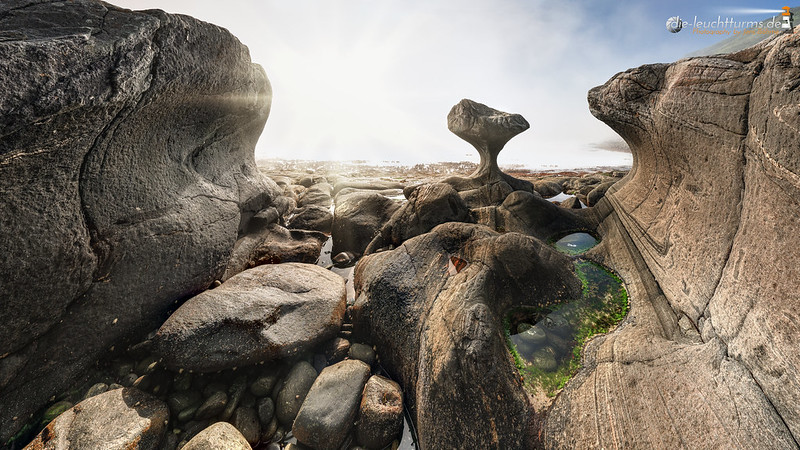 |
| Kannesteinen is a naturally sculpted mushroom-shaped rock on Norway’s rugged western coast. |
 |
| Kannesteinen is a naturally sculpted mushroom-shaped rock on Norway’s rugged western coast. |
 |
| Kannesteinen is a naturally sculpted mushroom-shaped rock on Norway’s rugged western coast. |
Conclusion:
Kannesteinen Rock, Norway. It is a creation of nature, shaped without any human hand. Waves and erosion have, over thousands of years, carved rock into a spectacular coastal monument whose shape continues to intrigue visitors. For anyone exploring Norway, Kannesteinen offers something different from the country’s famous fjords and mountain viewpoints. It is a natural wonder, but one with a story written directly into its stone. Its unusual shape, coastal setting and evidence of the sea’s incredible power make Kannesteinen Rock a truly unforgettable natural wonder of Norway.
You may like these. ››››››
References & Sources:


No comments:
Post a Comment