Discover amazing facts, world history, travel destinations, culture, science, and educational articles on RiteBook. Learn something new every day with well-researched and engaging content.
High in the Rocky Mountains of Colorado, near the flowing waters of the Crystal River, stands a small wooden building that has become one of the state's most recognisable historic sites. Crystal Mill, Colorado, often called the Old Mill, looks like a traditional watermill, but its original function was quite different. Built in the 1890s, the structure served as a hydro-powered compressor station for the nearby mining industry.
Today, Crystal Mill is popular for its striking location, historic character, and stunning mountain views. Surrounded by forests, steep cliffs, and flowing water, it has become a favourite subject for photographs in Colorado.
Crystal Mill stands above the rushing Crystal River near Marble, Colorado.
What Is Crystal Mill, Colorado?
Crystal Mill is a historic wooden powerhouse located along the Crystal River near the former mining settlement of Crystal, close to Marble in Gunnison County, Colorado. Although it is often referred to as a watermill, the building was actually designed to use water power to operate an air compressor. Water from the river turned a horizontal water wheel, which created mechanical energy that then passed through shafts, gears, and belts to the compressor. The compressed air was then sent toward the nearby mine, where it helped support mining activities. This unusual engineering system makes Crystal Mill an important reminder of the technology used during Colorado's mining era.
The History of Crystal Mill
Crystal City and Colorado's Mining Boom
The history of Crystal Mill is closely tied to the rise of Crystal City, Colorado. In the late 1800s, deposits of silver, lead, copper, iron, and zinc drew miners to the area. Crystal grew quickly during the mining boom. By the 1880s, the settlement had several businesses and services, including hotels, saloons, newspapers, and other establishments serving miners and their families. As mining operations grew, companies needed a reliable source of mechanical power. This need eventually led to the construction of the structure now known as Crystal Mill.
Construction of the Old Mill
The mill was built around 1892–1893 by people associated with the Sheep Mountain Tunnel and Mining Company. It was originally linked to the Sheep Mountain Tunnel mining operation. The system used a horizontal water wheel. Flowing water turned the wheel, while a drive shaft transferred the mechanical power to an air compressor inside the building. The compressor produced compressed air that was transported through an iron pipe toward the mine.
How the Mill Worked
The technology behind Crystal Mill was simple yet effective for its time. Rather than generating electricity, the mill converted the energy of moving water into mechanical power. The compressed air was useful underground because it could help with ventilation and operate pneumatic mining equipment. Pneumatic drills helped miners create holes in rock before explosives were used to break through the mountain. This is why calling Crystal Mill simply a "watermill" can be misleading. It was primarily a water-powered compressor station built to support mining.
Crystal Mill and the Decline of Mining
Crystal's fortunes closely followed the mining industry. When silver prices collapsed during the Silver Panic of 1893, mining communities across the American West suffered. Crystal gradually declined as mining became less profitable. Its population dropped significantly, and the settlement eventually became a ghost town. The mine associated with Crystal Mill later closed, and the mill stopped operating in 1917. Without its original industrial purpose, the structure stood exposed to the harsh conditions of the Colorado mountains.
Crystal Mill faced serious structural issues over the years. The building sits close to the Crystal River, where floods and fluctuating water levels pose a constant threat. In the 1930s, supporting structures were installed inside the building to help prevent it from collapsing toward the river.
Later, efforts by historical organisations helped protect and stabilise the structure. Restoration work during the late 20th century played a key role in ensuring that Crystal Mill survived as a historic landmark. Some parts of the original water-power system, including the dam and other machinery, no longer exist.
What is Crystal Mill Famous For?
Crystal Mill, Colorado, is popular due to the incredible scenery surrounding it. The old wooden structure appears to cling to a rocky outcropping above the Crystal River, with water flowing below. Behind the mill are forests and the steep slopes of the Rockies. This location is especially beautiful in autumn when the surrounding aspen trees turn bright yellow. The mix of the old wooden building, mountainous terrain, and flowing water has made Crystal Mill one of the most photographed historic sites in Colorado.
Crystal Mill Colorado: History of the Famous Old Mill in the Rocky Mountains
Where Is Crystal Mill in Colorado?
Crystal Mill is located near the historic village of Crystal, southeast of Marble, Colorado, in Gunnison County. Marble is also renowned for its high-quality marble, which builders have used in many significant American buildings and monuments. The remote location of Crystal Mill adds to its charm, but it also means visitors must plan their trip carefully.
Crystal Mill Hike
The area around Crystal Mill is popular with hikers and outdoor lovers. The journey offers a chance to explore the forests, river, cliffs, and mountain scenery surrounding the historic site. However, visitors should check current trail conditions and access restrictions before starting their hike. The road from Marble to Crystal Mill is rough and can be challenging. High-clearance four-wheel-drive vehicles are commonly used on parts of the route. Road conditions can change due to weather, flooding, mud, snow, and maintenance. Drivers should never assume a route is open just because it was accessible on a previous visit.
Can You Visit Crystal Mill?
One important thing to note for anyone planning a trip to Crystal Mill in Colorado is that the historic structure is on private property. Visitors should respect property lines and follow current access rules. Please do not enter, climb on, or damage the building. Since Crystal Mill is over a century old, responsible tourism is essential for its preservation.
Crystal Mill Camping and Outdoor Travel
Camping in the broader Crystal and Marble areas can be part of a Colorado mountain adventure, but visitors should use only legally designated and approved camping sites. The high-elevation environment can experience quickly changing weather. Even in summer, nighttime temperatures can drop significantly, and rainstorms can quickly affect roads and trails. Anyone planning a camping or hiking trip should check current local conditions and regulations before travelling.
Best Time to See Crystal Mill
Autumn is one of the most popular times to photograph Crystal Mill. The golden aspen leaves create a striking backdrop around the historic wooden building. Summer can also be a particularly enjoyable season to explore the surrounding mountains, while winter offers an entirely different view with snow-covered forests and frozen landscapes. However, winter access can be much more difficult.
Crystal Mill in Colorado is more than just a picturesque wooden building next to a waterfall. It represents an important part of the history of Colorado’s mining communities and shows how water power was once used to support difficult underground mining work. Today, the Crystal Mill, Old Mill, and the surrounding Crystal River landscape attract photographers, hikers, history lovers, and adventurous travellers. Its blend of historic engineering, abandoned mining history, and stunning Rocky Mountain scenery makes it one of the most memorable landmarks in Colorado.


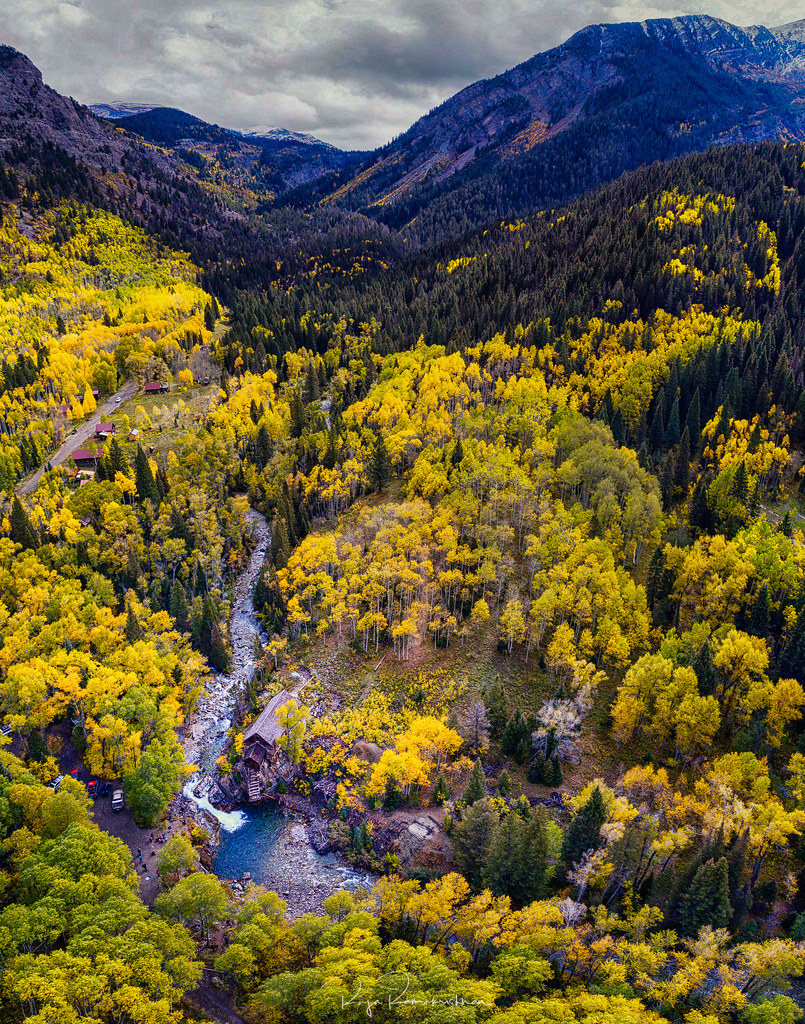 Crystal Mill Colorado: History of the Famous Old Mill in the Rocky Mountains


No comments:
Post a Comment