In the wide, dry landscape of southern New Mexico, a collection of enormous rockets and missiles stands outside a military museum. They are not movie props or replicas built for decoration. Many represent the technology and testing history associated with one of the most important rocket-testing sites in the United States.

This is the White Sands Missile Range Museum, home to historical exhibits explaining the development of rockets, missiles, military technology, and the role of White Sands in the American space age. Just outside the building, Missile Park gives visitors the chance to see large pieces of this history in the open air.
The museum was established in 1994 by Brig. Gen. Richard Wharton and the White Sands Pioneer Group to preserve the history and artefacts associated with the range. The U.S. Army says the museum's mission includes collecting, preserving and interpreting the Army's story in New Mexico and the development of missile and rocket technology.
What Is the White Sands Missile Range Museum?
Today, the museum preserves that history through indoor exhibits and the outdoor White Sands Missile Park. Instead of looking at tiny models behind glass, visitors can stand beside full-sized missiles and rockets and get a much better idea of their scale. The official U.S. Army museum page describes the collection as a way to connect the public with the history of the Missile Range and its contribution to missile and rocket development.
White Sands Missile Park
Rockets and missiles in the desert
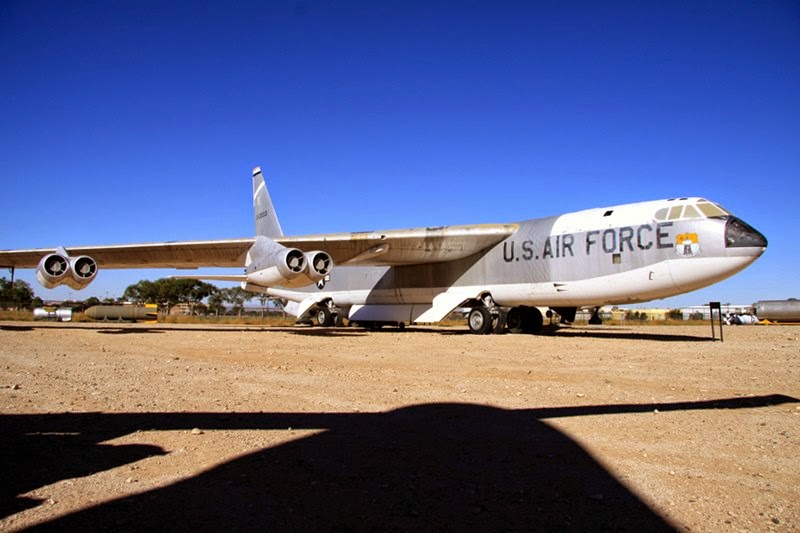
The most immediately striking part of the museum is Missile Park. Large rockets and missiles stand outdoors around the museum, creating an unusual scene against the New Mexico landscape. For anyone interested in military history, aviation, engineering or the early space programme, it is difficult to miss the sheer size of some of the machines.
The displays also help explain how quickly rocket technology changed during the decades after World War II. What began with early experimental rockets developed into increasingly sophisticated systems for defence, research and space-related work. White Sands played an important role in this development. The U.S. Army describes the range as the “Birthplace of America's Missile and Space Activity,” noting its early rocket programmes and work with V-2 technology.
From V-2 rockets to the Space Age
The German V-2 rocket marked the beginning of one of the most fascinating chapters in the history of White Sands Missile Range. After World War II, captured V-2 technology and German rocket expertise became part of American rocket research. Modified V-2 rockets were launched at White Sands beginning in 1946, providing scientists with valuable experience in high-altitude rocketry, guidance, tracking and instrumentation. An Army historical source notes that the U.S. programme fired about 70 V-2s at White Sands.
This work helped establish a foundation for later American missile and space programs. The museum makes that progression easier to understand because the visitor is looking at the actual hardware associated with the era rather than reading about it only in a textbook.

White Sands and the Trinity Test
A place connected with the atomic age
The history of White Sands includes more than just conventional rockets. The area also contains Trinity Site, where the first atomic bomb was tested on July 16, 1945. The U.S. Army records the test time as 5:29:45 a.m. Mountain War Time.
Trinity Site later became part of what was then White Sands Proving Ground. The connection between the site and the development of the American nuclear age adds another complicated layer to the history preserved around White Sands. The museum includes artefacts connected to this broader history, including a Trinity Site camera among its displays.
For visitors, this makes the museum more than simply a collection of old missiles. It is a window into a period when advances in rocketry, military technology, nuclear weapons and space exploration were happening at remarkable speed.
Why White Sands Became a Rocket Testing Ground
That vast landscape remains an important part of the story. Today, White Sands Missile Range continues to support testing and evaluation rather than existing only as a historic site. The official range describes itself as the largest fully instrumented, open-air test range in the Department of Defence. So the museum is looking backward while the surrounding installation continues looking forward.
Visiting the White Sands Missile Range Museum
The range can also close roads or restrict access because of missile testing. The official White Sands Missile Range visitor information advises travellers to check current roadblock information before heading to the installation. For the latest museum information, the U.S. Army Center of Military History's White Sands Missile Range Museum page is the best place to check before visiting.

A Museum Unlike Most Others
The surrounding desert makes the experience even more unusual. And beyond the displays is the enormous testing range where generations of engineers, scientists, and military personnel have continued to develop and evaluate new technology. The Army's own history of White Sands describes its transformation from an early V-2 testing site into a sophisticated modern test facility. That combination of rocket history, military technology, and desert landscape is what makes the White Sands Missile Range Museum such an unusual destination in New Mexico.

Frequently Asked Questions
Where is the White Sands Missile Range Museum?
The museum is located at Headquarters Avenue, Building 200, White Sands Missile Range, New Mexico. It is near the Las Cruces/Alamogordo Main Post Gate.
Is the White Sands Missile Range Museum free?
Yes. The U.S. Army currently lists free admission for the museum.
What can you see at the White Sands Missile Range Museum?
The museum features historical exhibits and outdoor displays of rockets, missiles, and other artefacts connected with the history of White Sands Missile Range.
What is White Sands Missile Range famous for?
White Sands is known for its long history of rocket and missile testing, its connection with the Trinity atomic test, and its continuing role as a major U.S. test range.
Can visitors enter White Sands Missile Range freely?
Access to the military installation can be subject to security procedures, testing activity, and road closures. Visitors should check the official White Sands visitor information before travelling.


Conclusion
The White Sands Missile Range Museum offers a fascinating look at a chapter of American history that began with experimental rockets and eventually reached into the missile and space age. Its outdoor Missile Park is the obvious attraction, but the story behind those machines is even more compelling. The rockets represent decades of experimentation, technological change and testing in the enormous New Mexico desert.
For travellers interested in unusual museums, military history, rockets or the origins of America's space programme, White Sands is a destination worth knowing about. It is a place where the exhibits are not simply objects from the past—they are reminders of the technological race that helped shape the modern world.
References & Sources
-
U.S. Army Center of Military History — White Sands Missile Range Museum
U.S. Army — White Sands Missile Range Museum -
Official White Sands Missile Range — About
Official White Sands Missile Range — About -
Official White Sands Missile Range — Visitor Information
White Sands Missile Range — Visitor Information -
U.S. Army — White Sands Missile Range Integrated Cultural Resources Management Plan
White Sands Missile Range Cultural Resources Management Plan -
U.S. Army — Military Mission and History
U.S. Army — Military Mission and History -
Official White Sands Missile Range — Trinity Site History
White Sands Missile Range — Trinity Site History

No comments:
Post a Comment