The Chinese province of Guangxi is the only place in China where you can admire the unique "Wind and Rain" bridges. Covered bridges made of wood and stone span the Sanjiang River, located in Sangiang County, the Guangxi Zhuang Autonomous Region, China. The crystal of the Dong people's wisdom and is the largest Wind and Rain Bridge in China. It was built in 1916, and its length is 64.4 metres, a width of 3.4 metres, and a height of 10.6 metres.


Out on the bridges, people can relax while sitting on a bench and enjoy the picturesque scenery. Peering into the distance, one feels intoxicated by the beauty. The Linsey River winds from the horizon, tea trees grow on the hills, local farmers work hard in the fields, and a water-powered mill pours water that cascades downstream.
The bridge is constructed of wood and stone, with the surface lined with wooden planks and rails inserted on both sides. The bridge includes 5 pavilions, 19 verandas, and a three-storey structure located over a total length of 64.4 metres. At both ends, the bridge connects to the shore platforms with special wooden stairs. The bridge is established on three stone pillars with dissecting, water-narrowed faces. The ethnic population — Dong — made this complex architectural composition in pure Chinese style without the use of nails, representing only a dream design. On both sides of the bridge railing, fenced and covered, the roof has grey-tiled turrets for people sheltering from the rain.
Chengyang Wind and Rain Bridge is also called Yogji Bridge or Palong Bridge. There are over 100 bridges in Sanjiang, and the Chengyang Wind-and-Rain Bridge is the most popular and considered the best. The wooden-structured bridge is built without nails. Though around 100 years old, the bridge has been very well preserved by the Dong people. Even now, the bridge is still very strong and durable. China is the third country in the world, after Italy and Spain, in terms of the number of unique historical monuments and natural areas. The 29 cultural and historical monuments that have become UNESCO World Heritage Sites in China. The beautiful countryside and large number of attractions and different cultures constantly attract tourists from all over the world.
First Image by Flickr user Spencer
Image by Flickr user adventurocity
Out on the bridges, people can relax while sitting on a bench and enjoy the picturesque scenery. Peering into the distance, one feels intoxicated by the beauty. The Linsey River winds from the horizon, tea trees grow on the hills, local farmers work hard in the fields, and a water-powered mill pours water that cascades downstream.

Image by Flickr user Shuggie Fisher
Many visitors like to spend time here enjoying the beautiful pastoral life and watch the people of Dun. Here you can find the eight known villages with palisades, where you can learn the culture and costumes of the ethnic Dong; easy accommodation is also available near the bridge.

Image by Flickr user ilmari hyvönen

Image by Flickr user aaroscape

Image by Flickr user Dom~Dom

Image by Flickr user Taj Chom

Image by Flickr user Ross Braithwaite

Image by Flickr user Oliver Laumann

Image by Flickr user Török Timi

Image by Flickr user Oliver Laumann

Image by Flickr user Alex Saurel

Image by Flickr user Oliver Laumann

Image by Flickr user rheanna2
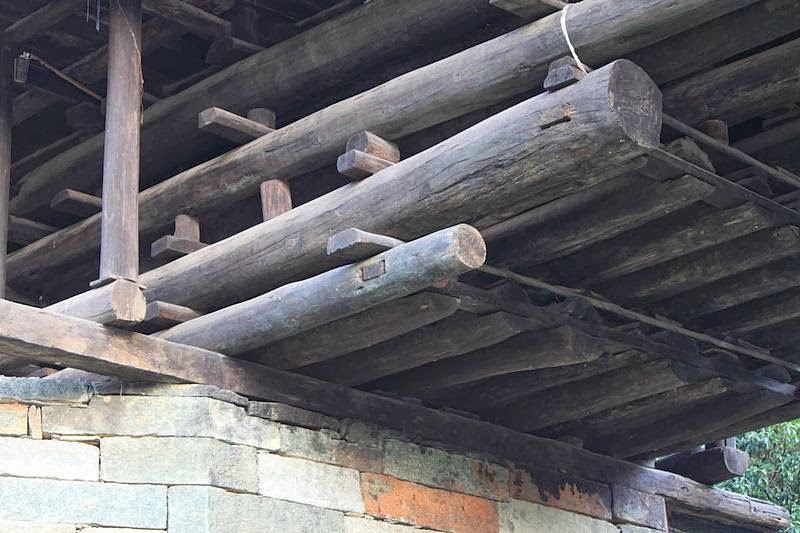
Image by Wikipedia

Image by Wikipedia

Image by Flickr user Nick Cloke

No comments:
Post a Comment