Bolton Strid is one of the most striking and deceptive natural features in Yorkshire. Here, the River Wharfe suddenly squeezes through a narrow rocky channel in Strid Wood, near Bolton Abbey. From the surrounding woodland, the scene can look almost peaceful: green trees, moss-covered rocks and clear rushing water. Yet the Strid has an entirely unique reputation from an ordinary riverside viewpoint.
The river is forced through a tight opening at intense pressure, while the rocks and water conceal hazards beneath the surface. The Bolton Abbey Estate itself warns visitors that the Strid is extremely dangerous and that lives have been lost there.
 |
| The River Wharfe narrows dramatically at Bolton Strid near Bolton Abbey in Yorkshire. |
The river's appearance makes the danger worse. At its narrowest point, the opposite sides appear close enough to tempt an inexperienced visitor into thinking the channel could be crossed. That deceptive appearance is one reason the Strid has become one of Yorkshire's best-known natural curiosities. Located within the beautiful landscape of Wharfedale, the Strid is also part of a much larger story involving ancient woodland, Bolton Abbey, the River Wharfe and the literary history of William Wordsworth.
What Is Bolton Strid?
The Strid is a narrow section of the River Wharfe running through Strid Wood on the Bolton Abbey Estate in North Yorkshire. The official Bolton Abbey Estate describes the Strid as a natural feature where the river suddenly narrows, forcing water through the opening at great pressure. According to the estate, the feature developed as softer rock was gradually worn away by the circular movement of small stones in hollows in the riverbed.
That process produced the unusual landscape visitors see today. Instead of spreading across a broad riverbed, the Wharfe is compressed into a much narrower rocky passage. The Strid is therefore more than simply a small waterfall or rapids. It is a distinctive part of the river's course where geology and flowing water have combined to create a dramatic natural feature. The name itself has long been associated with the idea of a stride across the narrow channel. William Wordsworth's poem The Force of Prayer; or, The Founding of Bolton Priory also helped make the name and its associated legend famous.
Where Is Bolton Strid?
Bolton Strid is in Strid Wood, on the Bolton Abbey Estate in Wharfedale, North Yorkshire, England. The River Wharfe runs through the wider Yorkshire Dales landscape before reaching Bolton Abbey. The Yorkshire Dales National Park describes Wharfedale as a classic glacial valley through which the River Wharfe travels south toward Bolton Abbey.
Visitors can reach the Strid via woodland paths from the Bolton Abbey Estate. The estate lists several car parks, including the Riverside Car Park near the Cavendish Pavilion and the entrance to Strid Wood and the Strid Wood Car Park at the northern end of the woodland. Both car parks use the postcode BD23 6AN. The location makes the Strid particularly appealing because a visit is not simply about seeing one river feature. The walk takes visitors through woodland alongside one of Yorkshire's most scenic rivers.
 |
| Water rushes through the narrow rocky channel known as the Strid. |
Why Is Bolton Strid So Dangerous?
The biggest danger is that the Strid does not look as threatening as it really is. The water is confined within a narrow rocky channel, creating powerful currents. The Bolton Abbey Estate specifically warns that the Strid is very dangerous and that people have lost their lives there. Visitors are told to pay attention to warning signs and remain well back from the edge. The wider River Wharfe also has hazards that are easy to underestimate. The Bolton Abbey Estate warns that the river is fast flowing, has strong undercurrents and can experience rapidly changing water levels.
The Yorkshire Dales National Park gives similar advice for rivers and other bodies of water throughout the region. Water can be cold, deep and difficult to escape, and submerged rocks and other hazards may be invisible from the surface. Currents can also become forceful. That combination makes the Strid a place to observe rather than challenge.
The Narrow Channel and Hidden Water
One of the most fascinating things about Bolton Strid is the contrast between its appearance and the volume of water flowing through it. The River Wharfe does not simply skim across a shallow rocky ledge. At the Strid, the river is concentrated into a confined channel, and the surrounding rock has been shaped by erosion over a long period. The official Bolton Abbey description explains that the Strid was formed through the erosion of softer rock, with the circular motion of small stones helping to wear hollows into the riverbed.
This geological process helps explain why the river can appear so dramatically different within a short distance. From the bank, the narrow gap may look almost like a natural stepping point. But the appearance of the water cannot tell a visitor how deep it is, how strong the current is beneath the surface or what obstacles are hidden underwater. That is why the safest approach is simple: stay on the established paths and well away from the water's edge.
 |
| The River Wharfe is forced through a tight rocky gorge at Bolton Strid. |
The Tragic Legend of Young Romilly
Bolton Strid also has a close connection to one of the most enduring legends of Bolton Abbey. William Wordsworth preserved the story in his poem The Force of Prayer; or, The Founding of Bolton Priory. In the poem, a young man named Romilly reaches the Strid while walking through Barden Woods with a greyhound. The poem describes the narrow gorge and tells how the young man attempts to leap across it. His dog holds back, and the leap ends in tragedy.
It is important to describe the narrative as a traditional story or legend, rather than presenting every detail as independently documented historical fact. Wordsworth's poem connects the tragedy with Lady Alice de Romilly's grief and the founding of Bolton Priory. The story became an important part of the cultural history surrounding the Strid. The tale also illustrates something that remains relevant today: a narrow section of river can create a dangerous illusion that crossing it is easy.
Bolton Abbey and the River Wharfe
The history of Bolton Abbey is inseparable from the Strid. The Bolton Abbey Estate states that Lady Alice de Romille of Skipton Castle gifted the land to the Augustinian Canons in 1154. Bolton Priory subsequently developed over many decades and became one of the major monasteries in the area. Today, the estate combines historic buildings, woodland, river scenery and extensive walking routes.
The River Wharfe is one of the defining features of the landscape. The estate describes Strid Wood as an ancient woodland and a Site of Special Scientific Interest, while its wider grounds contain extensive riverside scenery and walking routes. This combination of history and landscape helps explain why the Bolton Abbey area attracts visitors throughout the year.
 |
| Strong currents make the narrow waters of Bolton Strid particularly hazardous. |
Strid Wood: More Than the Famous Gorge
A visit to Bolton Strid is also an opportunity to explore Strid Wood, one of the notable remaining areas of sessile oak woodland in the Yorkshire Dales. The Bolton Abbey Estate says the woodland contains a wide variety of wildlife, including roe deer, otters, kingfishers and greater spotted woodpeckers. Seasonal plants, such as bluebells and wild garlic, also add colour to the woodland floor.
The estate opened paths through Strid Wood to the public in 1810, when the 6th Duke of Devonshire and the Reverend William Carr invited visitors to enjoy the woodland walks. Today, the woodland offers an experience that is entirely different from the dramatic reputation of the Strid. Visitors can walk beneath mature trees, follow the River Wharfe and enjoy the surrounding landscape before reaching the narrow gorge.
Can You Visit Bolton Strid?
Yes, Bolton Strid is a visitor attraction, but it should be treated as a dangerous natural environment rather than an adventure obstacle. The Bolton Abbey Estate provides walking routes through Strid Wood, including a green trail from the Cavendish Pavilion toward the Strid. The estate states that this route is pushchair and wheelchair friendly as far as the Strid.
Visitors should follow the estate's signs and remain on appropriate paths. Most importantly, do not attempt to jump across the Strid, climb onto unstable rocks or enter the river. The Yorkshire Dales National Park warns that rivers can contain hidden hazards and strong currents, while the estate specifically warns visitors to stay well back from the Strid's edge. Weather also matters. Rain can change river conditions, and swollen rivers can become unpredictable and fast-flowing. The National Park advises visitors to keep a safe distance from swollen rivers.
 |
| The rocky gorge creates the dramatic landscape surrounding the River Wharfe. |
Strid Wood: More Than the Famous Gorge
A visit to Bolton Strid is also an opportunity to explore Strid Wood, one of the notable remaining areas of sessile oak woodland in the Yorkshire Dales. The Bolton Abbey Estate says the woodland contains a wide variety of wildlife, including roe deer, otters, kingfishers and greater spotted woodpeckers. Seasonal plants, such as bluebells and wild garlic, also add colour to the woodland floor.
The estate opened paths through Strid Wood to the public in 1810, when the 6th Duke of Devonshire and the Reverend William Carr invited visitors to enjoy the woodland walks. Today, the woodland offers an experience that is entirely different from the dramatic reputation of the Strid. Visitors can walk beneath mature trees, follow the River Wharfe and enjoy the surrounding landscape before reaching the narrow gorge.
Can You Visit Bolton Strid?
Yes, Bolton Strid is a visitor attraction, but it should be treated as a dangerous natural environment rather than an adventure obstacle. The Bolton Abbey Estate provides walking routes through Strid Wood, including a green trail from the Cavendish Pavilion toward the Strid. The estate states that this route is pushchair and wheelchair friendly as far as the Strid. Visitors should follow the estate's signs and remain on appropriate paths.
Most importantly, do not attempt to jump across the Strid, climb onto unstable rocks or enter the river. The Yorkshire Dales National Park warns that rivers can contain hidden hazards and strong currents, while the estate specifically warns visitors to stay well back from the Strid's edge. Weather also matters. Rain can change river conditions, and swollen rivers can become unpredictable and fast-flowing. The National Park advises visitors to keep a safe distance from swollen rivers.
 |
| Bolton Strid runs through the ancient woodland of Strid Wood near Bolton Abbey. |
Frequently Asked Questions About Bolton Strid
Is Bolton Strid really dangerous?
Yes. The Bolton Abbey Estate explicitly describes the Strid as very dangerous and states that it has claimed lives. Visitors are advised to stay well back from the edge.
Where is Bolton Strid?
Bolton Strid is located in Strid Wood on the Bolton Abbey Estate, near Bolton Abbey in North Yorkshire, England.
Can you swim at Bolton Strid?
No. Swimming at the Strid is not safe. The River Wharfe has strong undercurrents, changing water levels and hidden underwater hazards. The Bolton Abbey Estate warns about these dangers, while the Yorkshire Dales National Park advises extreme caution around rivers.
Can you jump across Bolton Strid?
You should never attempt to jump across the Strid. Its narrow appearance is deceptive, and wet rocks, strong currents, and hidden hazards make falling extremely dangerous.
Why is Bolton Strid called “The Strid”?
The name is traditionally associated with the narrow section of river being small enough to suggest a stride across it. Wordsworth's The Force of Prayer famously preserves the name and the associated story.
Is Bolton Strid near Bolton Abbey?
Yes. The Strid is within the Bolton Abbey Estate, in Strid Wood along the River Wharfe. The estate provides walking routes from the Cavendish Pavilion and other access points.
Is the story of William de Romilly true?
The story of young Romilly is best treated as a traditional legend associated with Bolton Strid. William Wordsworth incorporated the story into his poem The Force of Prayer; or, The Founding of Bolton Priory.
What is the best way to see Bolton Strid?
The best approach is to walk through Strid Wood using the established paths, observe the river from a safe position, and follow the safety signs of the Bolton Abbey Estate. The attraction is the position, and follow the safety signs of the Bolton Abbey Estate
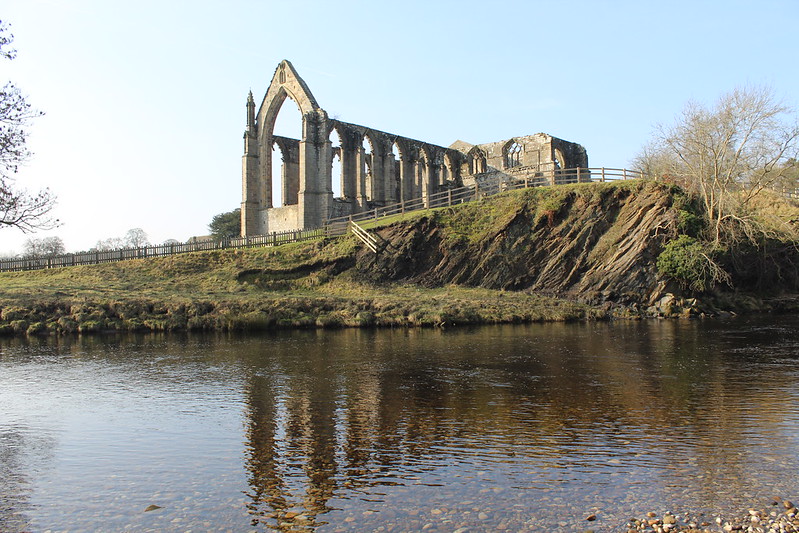
 |
| The River Wharfe moves rapidly through the narrow passage at the Strid. |
Conclusion
Bolton Strid is a powerful reminder that some of nature’s most beautiful places can also be among the most dangerous. The narrow stretch of the River Wharfe looks deceptively calm from the surrounding woodland, but the river is forced through a tight rocky channel, creating strong currents and hidden hazards beneath the surface. The Bolton Abbey Estate itself warns visitors that lives have been lost here and advises everyone to stay well back from the edge.
That combination of beauty, geology, history and danger is what makes Bolton Strid so fascinating. It is a place to admire from a safe distance while exploring the surrounding Strid Wood and the wider Bolton Abbey landscape. The best way to experience the Strid is not to challenge the river but to respect its power and simply take in one of Yorkshire’s most remarkable natural sights.
YOU MAY LIKE THESE: >>>
- Thor’s Well Oregon: The Mysterious Sinkhole of Cape Perpetua
- Vale da Lua, Brazil: The Incredible Moon Valley of Goiás
- Crystal Mill, Colorado: Historic Powerhouse
- Meeting of Waters: Encontro das Aguas
- Devil’s Kettle Waterfall: Minnesota’s Mysterious Vanishing Waterfall
References & Sources

No comments:
Post a Comment